Maine would become the eighth state to legalize iGaming if Gov. Janet Mills puts pen to paper in the coming days on LD 1164. However, a new poll suggests the majority of voters in the state don’t support online gambling.

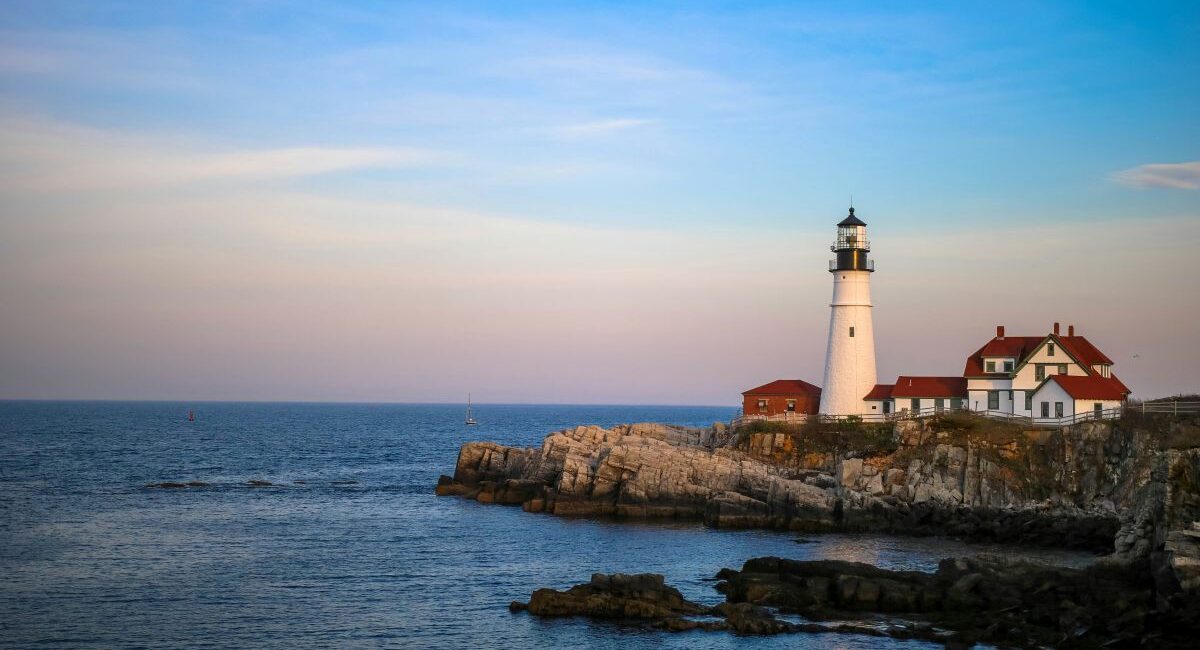
photo by Mercedes Mehling (Unsplash)
Lake Research Partners conducted the research on behalf of the National Association Against iGaming (NAAiG).
The findings show that 64% of voters in Maine are opposed to iGaming, with 49% strongly against the idea.
As the name suggests, the NAAiG is an organization that opposes online gambling due to addiction and isolation risks. It supports in-person gambling for its “economic and social benefits.”
In its press release, the group said voters were especially unhappy that online gambling operators failed to adequately prevent underage access.
Non-Tribal Casinos Excluded From Maine iGaming Bill
The advocacy group is not the only party opposed to LD 1164. The Maine Gaming Control Board (MGCB) called on Gov. Mills last month to veto the bill due to the exclusion of the state’s two commercial casinos from the proposal, and she’s expected to do so.
The current version would allow only the four Wabanaki Nations tribes to run online casinos with the help of third parties. Hollywood Casino and Oxford Casino are non-tribal facilities, and the regulator believes they should be included.
MGCB Chair Steven J. Silver said in his letter to Gov. Mills that ignoring the commercial casinos is “ill-advised and creates a monopoly that is harmful to consumers.”
The casinos claim that job losses would be inevitable if LD 1164 proceeds in its current form. Oxford Casino estimated the bill could affect about 120 jobs, and Hollywood Casino said it would likely have to cut a significant number of roles.
The board also warned that gambling addiction levels could rise further should iGaming be legalized. It has already noted a significant uptick in people seeking help since online sportsbooks launched in November 2023. There was also a 133% increase in calls to the state’s Problem Gambling Hotline in January 2024 compared to 12 months earlier.
A Reluctant Governor?
Once the legislature reconvenes, Mills has roughly three days to decide if she wants to veto LD 1164 or sign it into law.
She has a track record of being resistant to gambling legislation. In 2020, Mills was reluctant to advance sports betting legislation, although she signed a bill into law in 2022. In 2021, she blocked a proposal that would have expanded the ownership rights of tribal casinos.
If approved, LD 1164 would allow the state’s four tribes to launch online casino games. The proposed 16% tax rate in Maine is relatively low compared to the other seven live markets in the U.S.
The Penobscot Nation, Mi’kmaq Nation, and Houlton Band of Maliseet Indians already have sports betting relationships with Caesars, while the Passamaquoddy Tribe is partnered with DraftKings. Both operators already run iGaming platforms in other states.
Tribes, voters, lawmakers, and operators in Maine will all be watching closely over the coming days to see which way Gov. Mills decides to go.
Stay updated with GI
Follow Gambling Insider for independent news, analysis and industry expertise.


Gambling Insider delivers the latest industry news, in-depth features, and operator reviews that you can trust. Our team combines rigorous editorial standards with decades of specialized expertise to ensure accuracy and fairness. We are committed to delivering clear, impartial, and dependable coverage across the global gambling sector.
More Information & Source
Original Source:
Visit Original Website
Read Full News:
Click Here to Read More
Have questions or feedback?
Contact Us

Other Articles
new taxes but stalled expansion
Illinois State vs. Montana State FCS Championship Odds & Picks