
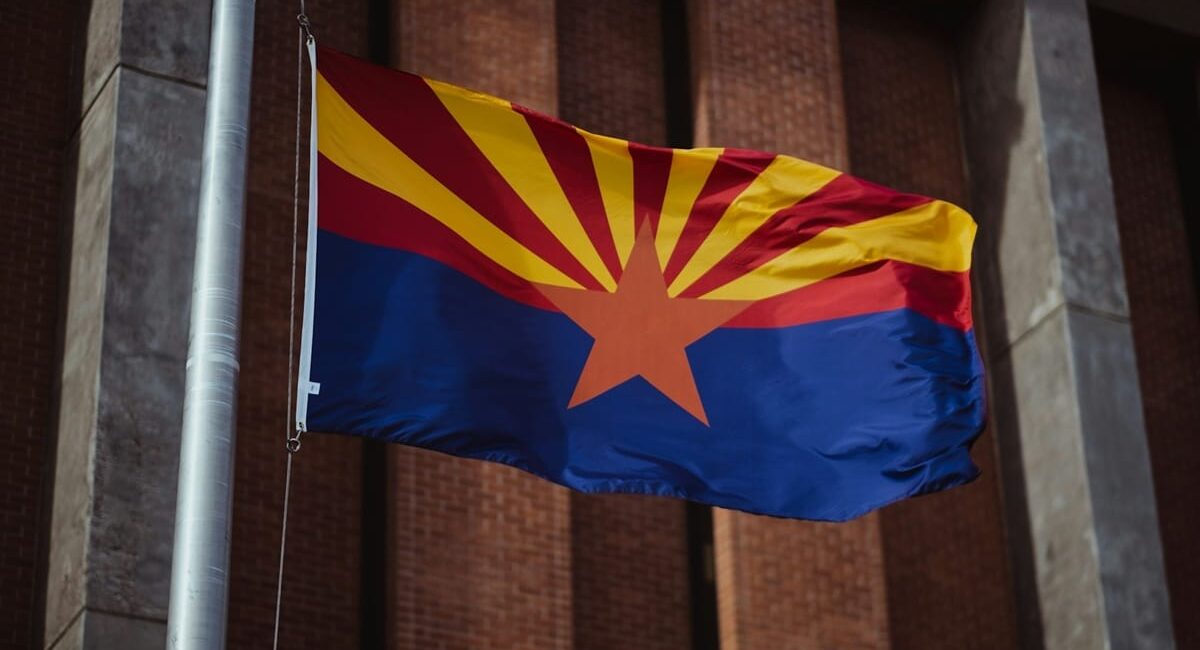
The Arizona Department of Gaming (ADG) reported an increase in contributions from tribal gaming for the third quarter of FY26. The increase comes as the state intensifies its legal fight against sports prediction markets, arguing they are illegal gambling.
The ADG reported receiving over $33 million from tribal gaming in the most recent quarter, an 8.3% increase from the previous year.
In a press release, Jackie Johnson, Director of the ADG, stated, “Tribal gaming contributions provide critical support for state and local initiatives that help keep communities across Arizona safe, strong, and thriving.”
Over $16 million of the funds went towards the Instructional Improvement Fund and Education, while the Trauma and Emergency Services Fund received around $8 million. The Arizona Wildlife Conservation Fund and Tourism Fund both received $2.3 million, with just over $600,000 going towards problem gambling education, treatment, and prevention.
Tribal Money Funding Fight Against Kalshi
The ADG directly received over $3 million of the money for “running costs”. Part of these costs includes legal fees for its court battles with prediction market platform Kalshi.
Johnson is facing a lawsuit from the company over the ADG’s attempts to prosecute the company. This week, the ADG and its Chief Law Enforcement Officer, Douglas Jensen, were dropped as defendants in the complaint, leaving only Johnson and Attorney General Kristin Mayes.
Following the lawsuit, Mayes took the unprecedented action of filing criminal charges against Kalshi. She is charging the company with 20 counts of betting and wagering, and election wagering violations.
“Kalshi may brand itself as a ‘prediction market,’ but what it’s actually doing is running an illegal gambling operation and taking bets on Arizona elections, both of which violate Arizona law,” said Mayes.
Tribes Join Case Against Kalshi
A total of 28 tribes, six from Arizona, filed an amicus brief in support of the ADG in the case against Kalshi on April 1.
Arizona has become one of the nation’s premier tribal gaming jurisdictions, with 16 of its 22 federally recognized tribes operating 26 casinos in the state. These casinos generate roughly $3 billion in annual gaming revenue.
The tribes argue that by offering sports markets, Kalshi is infringing upon the compacts in Arizona, which run until 2046.
“Kalshi, without any license or approval by the Arizona Tribes or the State, brazenly entered onto state and tribal lands to conduct unregulated gaming with its so-called ‘legal sports betting’ app,” said the filing.
“In doing so, Kalshi is siphoning vital tribal and state government revenue into its owners’ pockets. For tribes, gaming is not just a commercial endeavor but an existential one.”
Arizona is one of many states taking legal action against Kalshi and other prediction market platforms. Crypto.com agreed to withdraw from Arizona, but so far, only Nevada has successfully been able to restrict Kalshi.
Kalshi Rejects Claims, But Classifies Itself As Gambling
In response to the charges, Kalshi told CasinoBeats, “These state-court charges are seriously flawed. It’s gamesmanship.”
The company insists that it is operating within the law as a platform licensed by the Commodity Futures Trading Commission (CFTC).
“As other courts have recognized, Kalshi is a regulated, nationwide exchange for real-world events, and it’s subject to exclusive federal jurisdiction. It is very different from what state-regulated sportsbooks and casinos offer their customers. We are confident in our legal position,” said a company spokesperson.
In courts, it argues that its product is distinct from gambling. Yet, when petitioning the United States Patent and Trademark Office to trademark the term “prediction market” last year, it asked for the scope of its proposed intellectual property rights to cover the gambling industry.
In the filing in November, Kalshi also wrote that its prediction-market product is associated with “bookmaking services, namely, providing of information related to sports betting; organizing, arranging, conducting sports betting and gambling tournaments, competitions and contests,” as reported by Sportico.
More Information & Source
Original Source:
Visit Original Website
Read Full News:
Click Here to Read More
Have questions or feedback?
Contact Us

Other Articles
What Players Need to Know

No Comment! Be the first one.