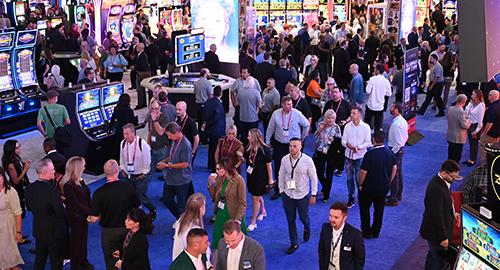
G2E in Las Vegas represents one of the gaming industry’s largest annual gatherings, with many grey areas in focus this year
Next week, the gaming industry will descend on Las Vegas for the Global Gaming Expo (G2E), a staple of the sector’s annual conference calendar that is reaching its 25th anniversary.
On a local level, Las Vegas tourism has been down for a calendar year, while gaming revenue has in recent months started to increase. This discrepancy has caused some to question the long-term sustainability of the city’s hospitality-driven economy.
The broader picture for the industry is also far from clear. Legal and regulatory scrutiny surrounding prediction markets and sweepstakes casinos continues to heighten, as do macroeconomic headwinds related to sticky inflation, rising tariffs and now a government shutdown.
Overseeing the conference is the American Gaming Association, which views G2E as the sounding board for these industry debates.
“We use the conference as a way to talk through some of the tough topics,” Maureen Beddis, SVP of membership and events for the AGA, said on iGB’s World Series of Politics podcast.
“Those are usually the sessions where you can’t really even squeeze into the room, which would make most show organisers nervous. I see that, and I’m like, ‘Alright, we’re talking about the right things.’”
Last year’s attendance eclipsed 25,000, per organisers RX, and featured 115 international exhibitors, the most ever for the event. With a number of factors currently casting uncertainty over both Las Vegas and the industry overall, stakeholders hope those figures continue to grow.
Tourism, regulation top of mind at G2E
Concern about Las Vegas has been a national media topic for several months. The divergence of visitation and gaming revenue figures is hard to ignore, but also makes for difficult forecasting. Business has been good in the short term for the Strip and great in the medium term for locals-focused operators.
But declining traffic can lower all boats, meaning stakeholders must get creative to stay competitive. The city is investing heavily in new entertainment, namely sports, and casinos are perfecting their craft, as evidenced by the revenue uptick.
At G2E, some panels addressing these topics include:
From a regulatory perspective, Las Vegas’ reputation is also in flux. There have been three multimillion-dollar, anti-money laundering fines issued this year alone, with allusions to a fourth. Regulation has become an increasingly expansive topic at the show, from AML to cybersecurity.
This year, the International Association of Gaming Advisors is sponsoring a host of regulatory-focused panels, including one on Monday featuring Nevada Gaming Control Board Chair Mike Dreitzer. Immediately following that discussion is another on recent AML enforcement featuring representatives from Wynn and MGM, both of which were fined this year.
Rise and fall of sweepstakes in 2025
In some instances, there is one theme that dominates discussion and permeates throughout the entire conference. Last year it was undoubtedly sweepstakes casino sites.
Their presence had been climbing for years, but last year’s G2E is where the discussion spilled over. It seemed as though most panels, show exhibitors and sideline discussions were either an embrace of or an attack on the sector.
The months since the show have brought challenging times for the sweepstakes industry. Several states, including New Jersey, Connecticut and Montana, have enacted outright bans. California, the most significant sweepstakes market, unanimously passed a ban through its legislature that currently sits on Governor Gavin Newsom’s desk.
The same is true for New York and Governor Kathy Hochul. Numerous other markets have taken other actions including cease-and-desist orders and lawsuits.
This unravelling is perhaps further evidenced by the lack of representation this time around. Only one panel on Tuesday addresses the topic directly, and all five participants are prominent sweepstakes opponents. In the description, even the term “sweepstakes” is mentioned in quotes.
Prediction markets likely to be central G2E topic
With sweepstakes largely swept aside, prediction markets appear poised to dominate this year’s G2E discussions. The rise of platforms like Kalshi, Crypto.com and Robinhood and their foray into sports event contracts has rankled the industry, especially commercial bookmakers.
As federally licensed entities under the Commodity Futures Trading Commission, prediction markets are not subject to state sports betting laws. Instead, they argue that their sole authority is the CFTC. The commission is currently down several members and is searching for a new chair after Brian Quintenz’s nomination was stymied.
With that said, the topic is only directly mentioned in one panel on Wednesday morning. Two of its participants come from the AGA and Arizona Department of Gaming, both outspoken opponents of prediction markets.
Another panel on Monday regarding “innovation barriers” features Alex Kane of Sporttrade, a central figure in the debate. But the description does not mention prediction markets, only “challenges faced by startups”.
Government shutdown another tough topic
Adding to this year’s intrigue is the ongoing shutdown of the US federal government, which took effect at 12:01 am on Wednesday. There have been 10 shutdowns since 1976, with the longest spanning 35 days in late 2018 to early 2019.
The actual economic effect of shutdowns historically is minimal. There is no guarantee, however, that this holdout will not stretch into uncharted territory, which adds another layer of uncertainty for a consumer-discretionary industry.
The US Travel Association, for example, estimates the shutdown will cost the US travel industry $1 billion per week. A survey from Ipsos quoted in the announcement said 60% of respondents “would cancel or avoid trips by air in the event of a shutdown”. Some 81% agreed shutdowns hurt the economy overall, the survey said.
More than two million federal employees are affected by a shutdown, including airport and TSA workers. Some will continue to work without pay, while others will be furloughed or laid off permanently. Toward the end of the 2018-19 shutdown, many workers had begun calling out or getting other jobs entirely.
US Senator Jacky Rosen and Representative Dina Titus, both staunch gaming supporters from Nevada who are working to reinstate tax deductions for gamblers, have come out against the shutdown. Rosen told the Las Vegas Sun she’ll “keep pushing to end this reckless Republican shutdown”, while Titus cautioned that “numbers will just kind of go down” until the shutdown is resolved.
More Information & Source
Original Source:
Visit Original Website
Read Full News:
Click Here to Read More
Have questions or feedback?
Contact Us

Other Articles

Timor-Leste Bans Online Gambling, Cancels All Licenses
How to get a Brazil gaming licence: A comprehensive guide